If you’re an over-helper, or maybe a recovering over-helper, this is for you.
For years I’ve been guiding people to connect with themselves, find the value in softness over rigidity, and most importantly, not just believe what I say, but find the evidence, results, and trust in themselves through the experience of practice.
At Daisy’s football game the other day, a grandmother sat next to me and started chatting about the girl on the team who was so good. She asked which kid was mine. I said, the girl.
“Oh, well don’t you know she can’t play in high school,” she told me.
It was wild to me how easily we can take these tiny digs at each other, often without even realizing we’re doing it. That kind of comment doesn’t bother me, but I notice.
We kept chatting and she began telling me about her own life. She told me she stayed home when her kids were little because her mom had worked and she wanted to be available for her own children. Then she told me that now her kids are grown and they don’t like her, and she doesn’t understand why, because she was always there for them.
Normally, this is where my over-helper tendencies might kick in. I might try to make her feel better, help her see things differently, or find something encouraging to say.
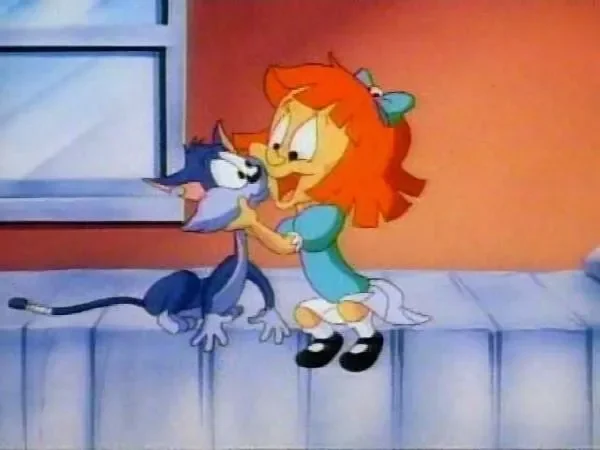
Instead, I practiced not fixing everyone. My inner Elmyra needs to calm down.
I realized it wasn’t my responsibility to continue to support or encourage her. It was my responsibility to support and encourage myself, right there next to her.
I took a deep breath and said, “Well, all we can do is our best.” Then I brought my attention back to my daughter and her enjoyment of football with her team.
This is the practice for me.
I noticed another opportunity to practice my not-fixing the next day. I found myself in a group of moms, sitting next to a mom who was going through a rough time with a friend of hers who is older, lives alone, and is an alcoholic. At first I couldn’t help myself. I offered to stop by for visits, maybe even do some yoga with him. She turned that down, saying he is a private person, while still talking about how lonely he is. So I offered up my knowledge about group classes for older people in the town we’re in. By the way, I’ve lived here for a year and she’s lived here her whole life. Obviously she knows. But there I go again, trying to be helpful to the point where I have to wonder, why am I doing this, and who am I really trying to fix?
Finally, I dropped it. Although I noticed that in my head I had already come up with stopping by to drop off food on our routine family bike rides and inviting him to an art class I know about.
Stop trying to fix the situation, was the angel in my mind. Your help isn’t needed here, and you are coming out of balance trying.
I am also in a very real position of helping my mom, the primary reason we are living in rural Illinois. I am responsible for her wellbeing, and I take that job seriously by bringing her to things every day, taking her to visit her mom, buying groceries for her, cooking for her, and just hanging around with her.
After my dad passed a few years back, I learned something about helping that I still need to remind myself of now. Anyone who has gone through losing someone and being the person who has to figure everything out knows there is always another thing to do. I paced myself by doing one thing a day to work toward getting it all done, because there is never really a done. There is no need to do so much that it leads to burnout.
Do what I can do without a panic became my motto then, and because of my over-helper habit, I need to continually remind myself of that now.
Of course I want to help as many people as I can. That’s so much of my life’s feeling and mission. But I also know that when I am out of balance and over-helping, I am essentially unbalancing the equation. Eventually I’ll be the one needing help on the other end.
I am movable so I can be moved by my breath, my ideas, and other people. I am steady so I’m not pulled off my own center by other people or the circumstances of life. I move well from my center so I use only the energy I need and rest what I don’t.
Maybe softness is also knowing when helping is useful and when it’s actually pulling you away from yourself.
Not every situation needs me to make it better. Not every person needs me to make them feel better. Sometimes I can simply be there, notice what’s happening, take a breath, and stay connected to myself.
Softness isn’t an alternative to a stronger, tougher way. It’s the better choice.
I know because I’m practicing it too.
big hugs,
Tara
Let’s Keep Going Together
Softness is something we experience together. If you’d like to keep exploring this practice with me, here are a few ways we can connect.
📖 Living Softly
My new book, Living Softly, is available now for pre-order.
It’s a guide to accomplishing more with less tension, dropping No Pain, No Gain, and discovering that your greatest strength comes from softness, not struggle.
📱 Practice Online
This is your home studio.
A new class is waiting for you every day:
Monday: Weights with Ease
Tuesday: Tai Chi
Wednesday: LIVE Gentle Yoga
Thursday: Weights with Ease
Friday: LIVE Energize Yoga
Saturday: Tai Chi Flow
Sunday: Restorative
Get comfortable, move in a way that feels supportive, notice how you feel, and let all the benefits soak in.
→ Download the Strala Yoga app
🌿 Practice In Person
I’d love to see you.
Effingham, Illinois – Saturdays (when I’m in town)
Amsterdam – September 19–20
Weekend of Softness, Metzingen – September 26–27
OM Yoga Show, London – October 16–18